.png)
Pharmaceutical Lift Inspection
Project Core Details
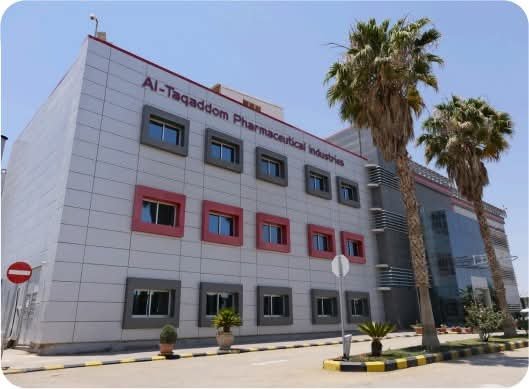
Client: Al-Taqaddum for Pharmaceutical Industries
Location: Amman, Jordan
Project Scope: Comprehensive technical inspection of factory elevators and industrial lift systems
Service Type: Independent Elevator Inspection and Compliance Verification (Third-Party Inspection)
Project Overview
As part of supporting operational reliability, safety, and asset governance within Jordan’s pharmaceutical manufacturing sector, LEAN Engineering & Inspection successfully delivered an independent engineering inspection programme for the elevator systems serving Al-Taqaddum for Pharmaceutical Industries.
The project focused on assessing the safety condition, operational reliability, and technical readiness of elevator systems operating within a highly regulated pharmaceutical manufacturing environment. These systems play an essential role in supporting the movement of personnel, raw materials, production supplies, packaging materials, and finished products throughout the facility.
Through this assignment, LEAN provided an impartial third-party engineering assessment designed to strengthen safety performance, improve asset visibility, and support evidence-based maintenance and risk management decisions.
The Challenge & Importance
Pharmaceutical manufacturing facilities operate within highly controlled environments where safety, quality assurance, operational continuity, and regulatory compliance are critical to daily operations.
Elevator and industrial lift systems play a vital role in supporting:
- The movement of raw materials, packaging materials, and production supplies between manufacturing areas.
- Safe transportation of technical personnel, maintenance teams, and operational staff throughout the facility.
- Internal logistics activities that support controlled production workflows.
- The movement of finished pharmaceutical products through manufacturing, packaging, storage, and dispatch processes.
- Operational continuity within GMP-oriented production environments where process interruptions can have significant consequences.
The Risk
Any unexpected elevator failure, unsafe condition, or reduction in operational reliability can disrupt internal logistics, delay material movement, affect production schedules, and increase operational pressure on maintenance and quality teams.
Within pharmaceutical facilities, infrastructure reliability is closely linked to production continuity, quality management, and risk control. This makes independent third-party inspection essential for identifying potential issues early and supporting proactive maintenance decisions before operational disruptions occur.
Our Solution & Scope of Work
Acting as an independent ISO/IEC 17020 Type A inspection body, LEAN carried out a structured engineering assessment programme focused on safety, reliability, compliance support, and asset condition verification.
Industrial Elevator Condition Assessment
Conducting a detailed inspection of mechanical, electrical, structural, and operational components to evaluate the condition, reliability, and performance of elevator systems operating within a pharmaceutical manufacturing environment.
Safety System Verification
Assessing critical safety-related systems including braking systems, door protection mechanisms, overload protection devices, emergency functions, communication arrangements, control systems, and other safety-critical components essential for safe elevator operation.
Risk-Based Engineering Evaluation
Reviewing inspection findings according to their technical significance and potential impact on personnel safety, material handling activities, operational continuity, and facility reliability.
Audit-Ready Engineering Reporting
Providing facility management, Quality Assurance teams, HSE personnel, and maintenance departments with structured technical reports documenting asset condition, engineering observations, risk areas, and recommended corrective actions to support preventive maintenance planning, internal audits, and compliance-related activities.
The Outcome
The project provided Al-Taqaddum for Pharmaceutical Industries with an independent and technically reliable understanding of the condition and performance of its elevator systems.
Through LEAN’s third-party inspection services, the company achieved improved visibility of asset condition, clearer prioritisation of corrective actions, and stronger technical support for managing safety-related observations and maintenance activities.
The inspection also contributed to improved control of operational risks by identifying technical observations before they could develop into more significant safety or reliability concerns, supporting safer movement of personnel and materials throughout the facility.
Why This Project Matters
In pharmaceutical manufacturing, infrastructure reliability is directly connected to production continuity, quality assurance, operational efficiency, and risk management.
Industrial elevators and lift systems support the movement of materials, products, equipment, and personnel that are essential to daily manufacturing operations. Any reduction in reliability can affect productivity, internal logistics, and operational performance.
Independent third-party inspection provides manufacturers with an objective understanding of equipment condition, helping them move from reactive maintenance toward a more proactive, evidence-based asset management approach that supports safer operations and stronger operational resilience.
Why LEAN
LEAN combines engineering expertise, independent judgement, and practical reporting to support informed decision-making within regulated industrial environments.
Our role extends beyond identifying technical observations. We help organisations understand the operational significance of inspection findings, strengthen maintenance planning, improve risk control, and enhance the reliability of infrastructure supporting critical manufacturing activities.
For pharmaceutical manufacturers, this means safer operations, stronger asset governance, improved maintenance visibility, and greater confidence in systems that support controlled production processes.