.png)
QAIA Elevator Inspection
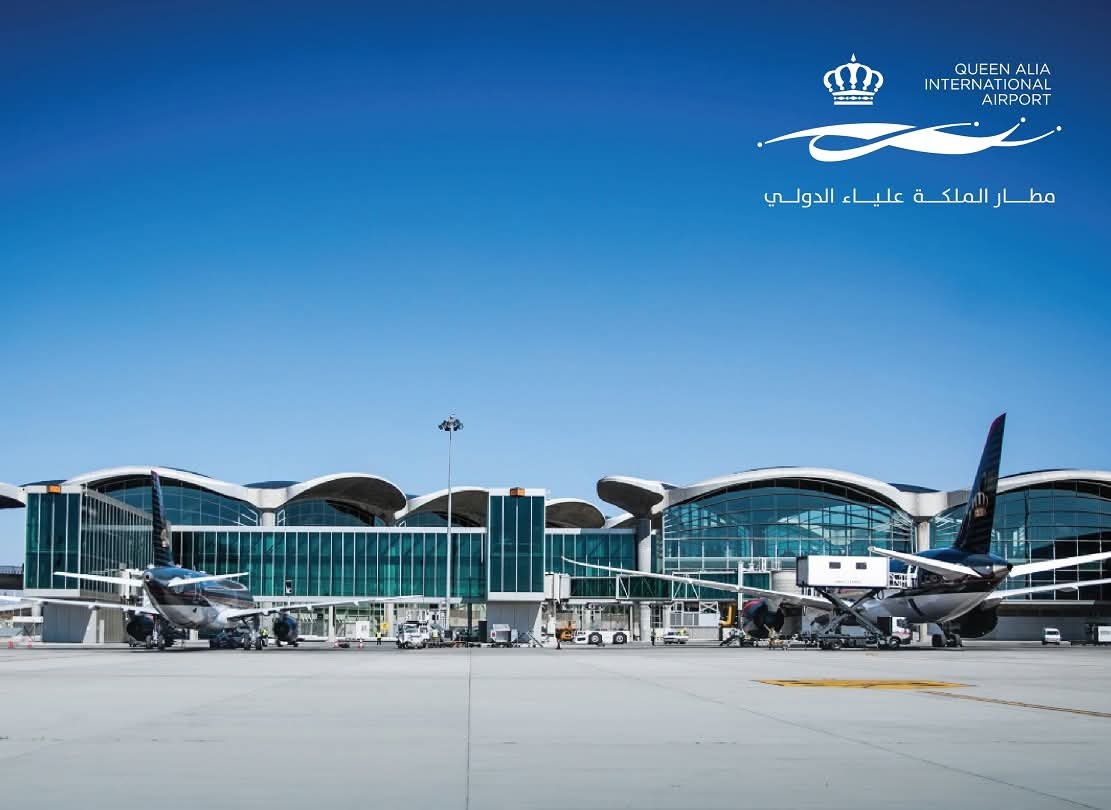
Independent third-party inspection for 42 elevators supporting safe, reliable, and efficient passenger movement at Queen Alia International Airport.
Project Details
Client: Airport International Group — Queen Alia International Airport
Location: Amman, Jordan
Project Scope: Technical and engineering inspection of 42 elevator systems
Service Type: Independent third-party elevator inspection and technical asset auditing
Accreditation: ISO/IEC 17020 Type A Independent Inspection Body
Standards and References: EN 81 series for elevator safety, applicable inspection requirements, and LEAN’s accredited inspection procedures
Sector: Airport infrastructure, public transport facilities, and safety-critical passenger buildings
Project Overview
LEAN Engineering & Inspection successfully delivered independent third-party elevator inspection services for 42 elevator systems across Queen Alia International Airport, in cooperation with Airport International Group.
This project represents one of LEAN’s key inspection assignments within a major national infrastructure facility, where elevator safety, operational reliability, and passenger movement are essential to the daily performance of the airport.
Queen Alia International Airport is a high-traffic environment serving passengers, staff, service providers, luggage movement, and airport logistics throughout the day. Within this setting, elevator systems are not only passenger convenience assets; they are part of the wider operational infrastructure that supports accessibility, terminal flow, safety, and service continuity.
Through this project, LEAN provided an impartial technical assessment of the airport’s elevator systems, helping the facility management team gain clearer visibility of asset condition, identify safety-related observations, and plan corrective actions based on structured engineering evidence.
The Operational Challenge
Airports are among the most demanding building environments. They operate continuously, receive high volumes of passengers, and require coordinated movement between terminals, service areas, access points, parking zones, and operational facilities.
In this type of environment, elevator systems are exposed to frequent use, varied passenger loads, luggage movement, and continuous operational demand. Any unexpected elevator fault, safety concern, or reduction in reliability can affect passenger flow, accessibility, operational efficiency, and the overall travel experience.
For an airport, elevator performance is directly linked to public safety, passenger confidence, and facility reputation. This makes independent inspection especially important, as it provides airport management with a neutral and technically reliable view of the condition of its vertical transportation assets.
The challenge was to inspect a large number of elevator systems in an active airport environment while maintaining a structured, traceable, and practical inspection approach that supports safety, compliance, and operational continuity.
LEAN’s Role
As an independent ISO/IEC 17020 Type A inspection body, LEAN carried out the inspection with full technical impartiality and independence.
LEAN’s role was separate from elevator maintenance, installation, spare parts supply, or repair activities. This ensured that the inspection findings were objective, transparent, and focused only on the actual technical and safety condition of the elevator systems.
The purpose of the project was to support Airport International Group by providing a clear engineering assessment of 42 elevator systems across Queen Alia International Airport. The inspection helped identify visible technical observations, review safety-critical elements, assess asset condition, and provide practical reports that support maintenance planning and risk-based decision-making.
Scope of Work
The inspection scope covered the main mechanical, electrical, structural, and safety-related elements associated with elevator operation in a high-traffic airport environment.
LEAN’s assessment included the following key areas:
Comprehensive Elevator Condition Assessment
LEAN inspected the 42 elevator systems to assess their technical condition at the time of inspection. This included reviewing key mechanical, electrical, control, and structural elements that may affect safe operation, reliability, and passenger service.
The inspection provided airport facility teams with a clearer understanding of the actual condition of each elevator and highlighted items requiring attention, monitoring, or corrective action.
Safety System Verification
The inspection included verification of key elevator safety systems and protective functions. This covered important safety-related elements such as braking systems, door operation and protection, emergency functions, control systems, communication features, overload protection, and other components relevant to safe elevator operation.
This part of the inspection helped identify safety-related observations that could affect passengers, staff, maintenance teams, or operational reliability.
Operational Reliability Review
Given the high-traffic nature of the airport, LEAN reviewed the inspected elevator systems with attention to operational reliability and continuity of service.
The inspection helped identify technical conditions that could contribute to future downtime, reduced performance, or increased maintenance demand. This supported the airport’s ability to plan corrective actions before minor issues develop into larger operational disruptions.
Risk-Based Technical Observations
LEAN reviewed and organised inspection findings according to their technical significance and potential impact on safety and operation. This helped the airport facility management team distinguish between urgent safety-related concerns, maintenance observations, and items requiring planned follow-up.
By presenting findings in a structured and practical way, LEAN supported more effective decision-making and helped prioritise actions across a large elevator fleet.
Independent Engineering Reporting
Following the inspection, LEAN provided clear, impartial, and technically structured reports documenting the condition of each inspected elevator system.
The reports included technical observations, recommended corrective actions, and asset-specific findings to support maintenance planning, safety follow-up, internal review, and compliance-related documentation.
These reports gave the airport’s facility management team a practical engineering reference for managing elevator safety and reliability across a complex operational environment.
Project Outcome
The project provided Airport International Group with an independent and technically reliable assessment of 42 elevator systems operating across Queen Alia International Airport.
Through LEAN’s third-party inspection approach, the airport gained improved visibility of elevator condition, clearer prioritisation of corrective actions, and stronger technical support for managing safety-critical vertical transportation assets.
The inspection also supported operational continuity by helping identify potential risks before they could develop into unexpected failures or service interruptions. This is especially important in airport environments, where passenger movement, accessibility, logistics, and facility reputation are closely connected.
By delivering structured inspection and impartial reporting, LEAN supported better asset governance, stronger maintenance planning, and safer elevator operation within one of Jordan’s most important transport infrastructure facilities.
Why This Project Matters
Elevators in airports play a vital role in passenger mobility, accessibility, luggage movement, staff operations, and emergency-support functions. They serve a wide range of users, including passengers with reduced mobility, airport staff, service contractors, families, travellers with luggage, and operational teams.
Because airports operate under continuous demand, elevator reliability cannot be treated as a secondary issue. A single elevator fault can affect movement patterns, increase congestion, delay passengers, and place additional pressure on facility teams.
Independent inspection helps airport operators manage these risks more effectively. It provides a neutral engineering view of the actual condition of elevator systems and supports evidence-based decisions related to maintenance, safety improvements, and long-term asset management.
This project demonstrates the importance of third-party inspection in supporting safer, more reliable, and better-managed airport infrastructure.
LEAN’s Added Value
This project reflects LEAN’s ability to deliver large-scale inspection services within complex, high-traffic, and safety-critical environments.
LEAN’s added value lies in combining engineering inspection, impartial judgement, structured reporting, and practical risk-based recommendations. The objective is not only to identify defects, but also to help facility owners understand the significance of each observation and its potential impact on safety, reliability, and operational performance.
For Queen Alia International Airport, LEAN provided a professional technical foundation for managing a large elevator fleet, supporting safer passenger movement, improving maintenance awareness, and strengthening confidence in the airport’s vertical transportation systems.
Closing Statement
The successful completion of this project reinforces LEAN’s position as a trusted independent inspection partner for major infrastructure, transport, healthcare, industrial, and public facilities in Jordan.
By supporting Airport International Group with professional third-party inspection services for 42 elevators at Queen Alia International Airport, LEAN continues to contribute to safer infrastructure, more reliable facility operation, and stronger asset management across the Kingdom.