.png)
Overview
Solar installations are long-term technical assets whose value depends on safe installation, sound electrical integration, and reliable performance over time. Independent inspection helps identify visible issues, support safe operation, and protect long-term energy value.
Why It Matters
A solar power system is a major financial investment meant to last for decades. However, defects in installation, physical degradation, cable management issues, poor workmanship, or abnormal operating conditions can severely reduce energy output, create critical electrical safety risks, and directly damage your return on investment (ROI).
An independent, third-party inspection helps to:
- Uncover hidden performance bottlenecks and installation flaws before they cause losses.
- Mitigate serious safety risks such as DC arc faults or fire hazards.
- Guarantee that the system is built to sustain long-term operational efficiency.
What We Inspect
Our rigorous inspection framework covers both the DC generating side and the AC integration side of solar plants:
- General System Condition: Overall assessment of the plant layout, site readiness, and baseline configuration.
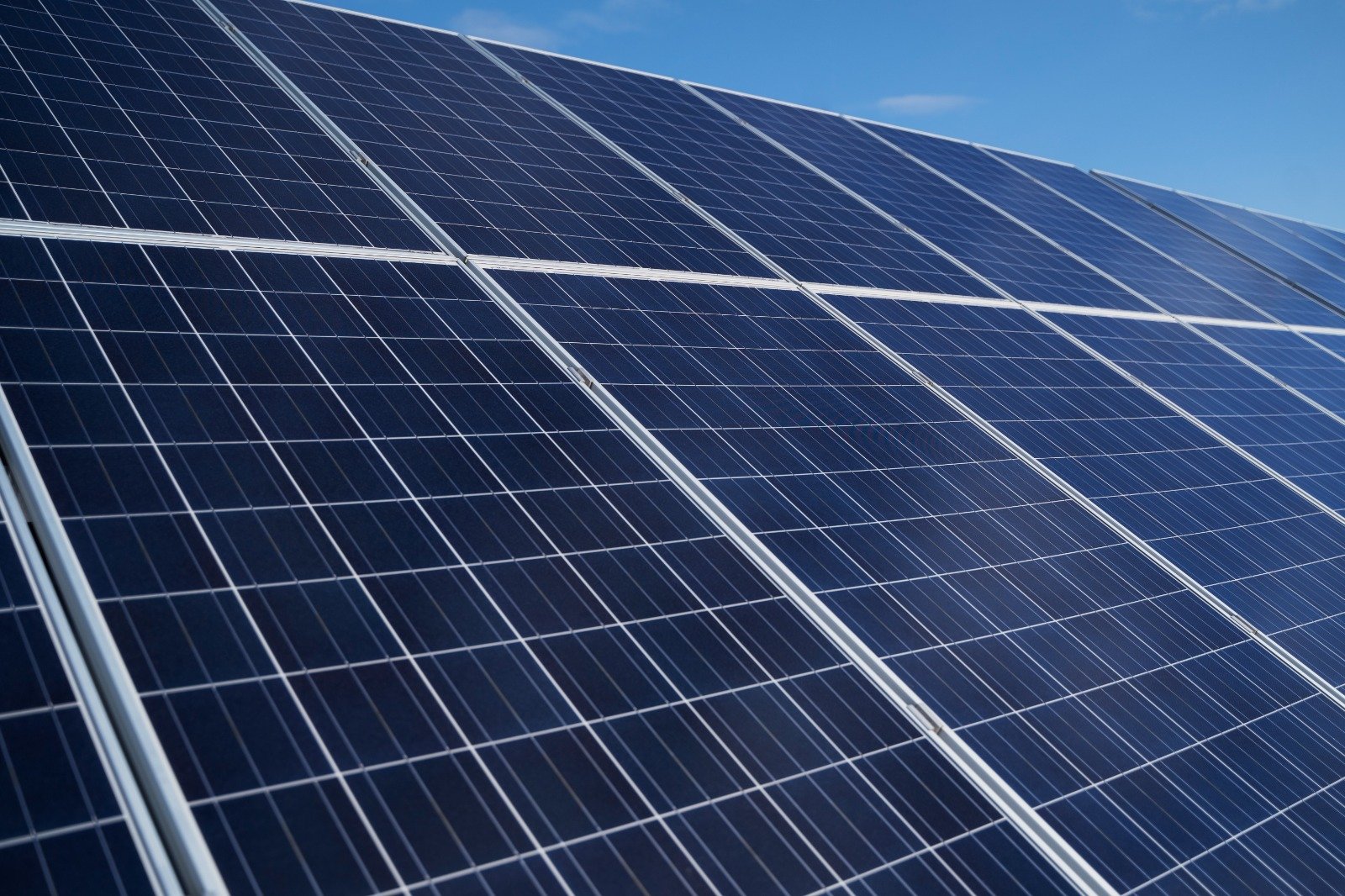
- PV Modules: Detailed check of solar panels for visible physical defects, micro-cracks, or surface degradation.
- Mounting Structures: Inspection of racking systems, clamps, torque marks, and structural integrity/corrosion resistance.
- DC Cabling & Routing: Evaluating UV protection, cable tray routing, strain relief, and the condition of MC4 connectors.
- Inverters & Interfaces: Checking inverter mounting, ventilation clearance, operation status, and digital interfaces.
- AC Electrical Side: Inspection of the AC distribution boards, circuit breakers, and grid connection points.
- Combiner Boxes & Protection: Checking fuses, surge protection devices (SPDs), DC isolators, and disconnect switches (where applicable).
- Earthing & Bonding: Verifying the continuity and safety of grounding arrangements across the entire array.
- Labeling & Safety Signs: Ensuring all required warning labels, DC/AC markings, and system single-line diagrams (SLD) are properly displayed.
- Thermal & Physical Wear: Spotting signs of localized overheating, hot spots, physical damage, or environment-related deterioration.
- Workmanship Quality: General assessment of visible installation standards against industry best practices.
Key Benefits
Implementing an independent solar inspection regime provides massive value for owners, operators, and financiers:
- Long-Term Investment Protection: Safely secures your capital investment and ensures the plant meets its projected financial lifespan.
- Early Defect Identification: Catches installation oversights or hardware issues early, making it easy to claim warranties from EPC contractors or manufacturers.
- Enhanced Operational Safety: Drastically reduces the risk of electrical shock, system failures, and potential fire hazards.
- Minimized Yield Losses: Prevents avoidable performance drops and unexpected downtime, keeping your energy yield optimized.
- Investor & Bank Confidence: Provides trusted, independent engineering data to give stakeholders complete confidence in the asset’s condition.
Applicable Standards
Depending on the agreed scope of inspection, our specialized engineering services align with leading international photovoltaic frameworks, including:
- IEC 62446-1 (Photovoltaic (PV) systems – Requirements for testing, documentation and maintenance – Part 1: Grid connected systems – Documentation, commissioning tests and inspection)