.png)
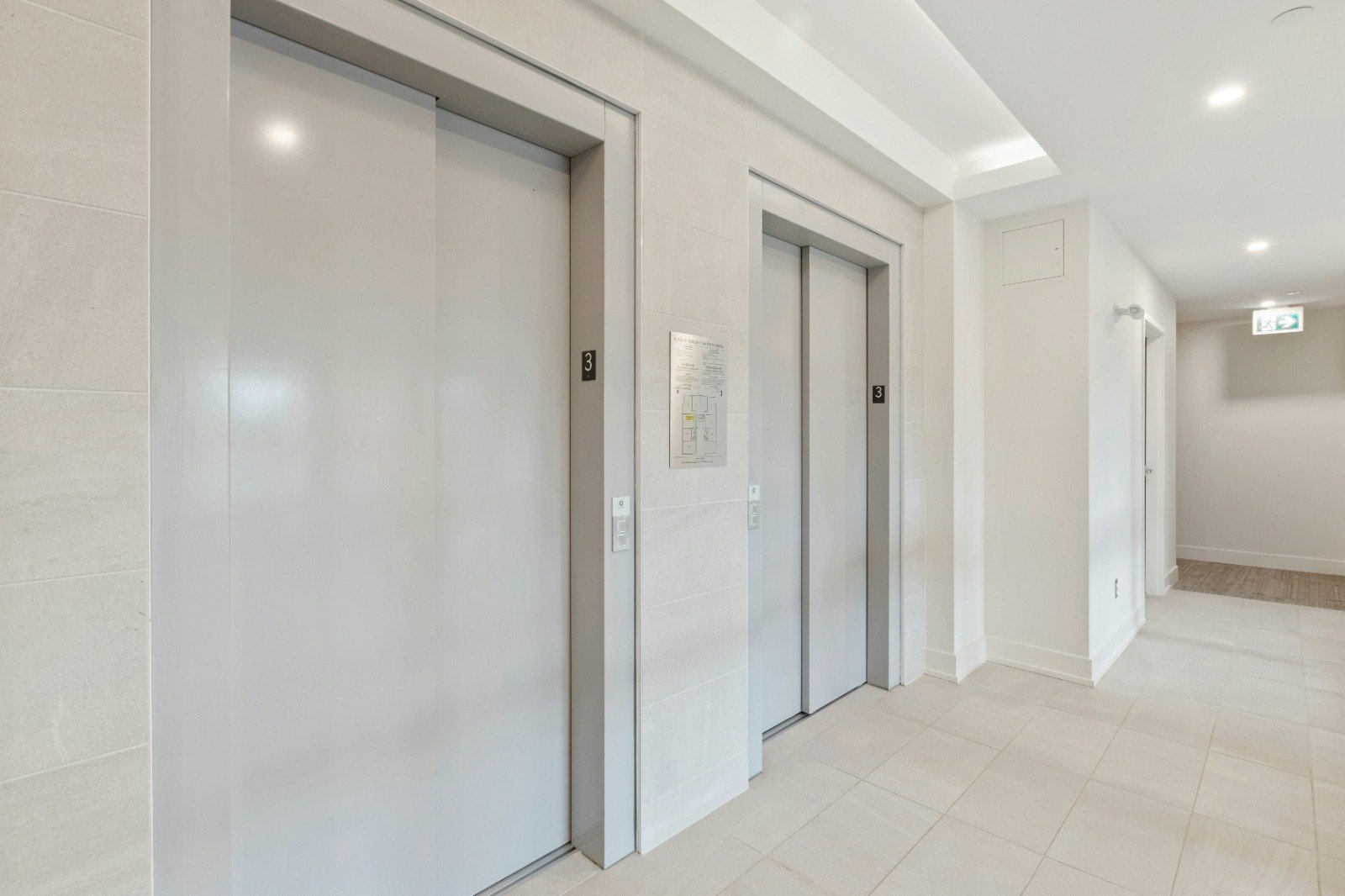
Elevator Inspection Services
Overview
Elevators are safety-critical systems that play an essential role in the daily operation of residential, commercial, healthcare, and public-use buildings. Independent inspection helps clients understand system conditions, identify visible technical concerns, and support safer, more reliable operations.
Why It Matters
Elevator reliability directly affects user safety, accessibility, and continuity of service. An independent, third-party inspection helps to:
- Verify the visible condition of the equipment.
- Assess the quality of installation and ongoing maintenance.
- Drastically reduce the risk of unexpected failures and operational downtime.
What We Inspect
Our comprehensive inspection covers a wide range of critical components and functional areas of the elevator system:
- General System Condition: Overall evaluation of the elevator structure and baseline status.
- Doors & Interlocks: Car and landing door operation, safety edges, and mechanical/electrical interlocks.
- Performance & Leveling: Car leveling precision and overall ride smoothness.
- Electrical & Controls: Main control panels, wiring, and electrical safety components.
- Safety Devices: Emergency brakes, overspeed governors, and essential protective functions.
- Machinery Spaces: Machine room or machinery spaces evaluation (where applicable).
- Drive & Suspension: Suspension ropes/belts, traction sheaves, and drive-related components.
- Hydraulic Systems: Hydraulic power units, valves, and cylinders (for hydraulic elevators).
- Emergency Systems: Alarms, emergency communication/intercoms, and rescue-related functions.
- Signage & Compliance: Required safety signs, capacity markings, and essential information.
- Workmanship: Visible installation quality and execution standard.
Key Benefits
Investing in independent elevator inspection provides clear, strategic advantages:
- Improved Passenger Safety: Minimizes the risk of accidents and entrapments.
- Proactive Risk Management: Reduced risk of unexpected failures and costly sudden breakdowns.
- Operational Reliability: Ensures smooth, continuous, and dependable service for building users.
- Maintenance Oversight: Greater confidence in the quality of work performed by your maintenance provider.
- Informed Decisions: Robust data to support compliance and long-term technical/financial decision-making.
Applicable Standards
Depending on the agreed scope of inspection, our specialized engineering services align with leading international references, including:
- EN 81-20 (Safety rules for the construction and installation of lifts – Lifts for the transport of persons and goods)
- EN 81-50 (Examinations and tests for lift components)