.png)
Introduction
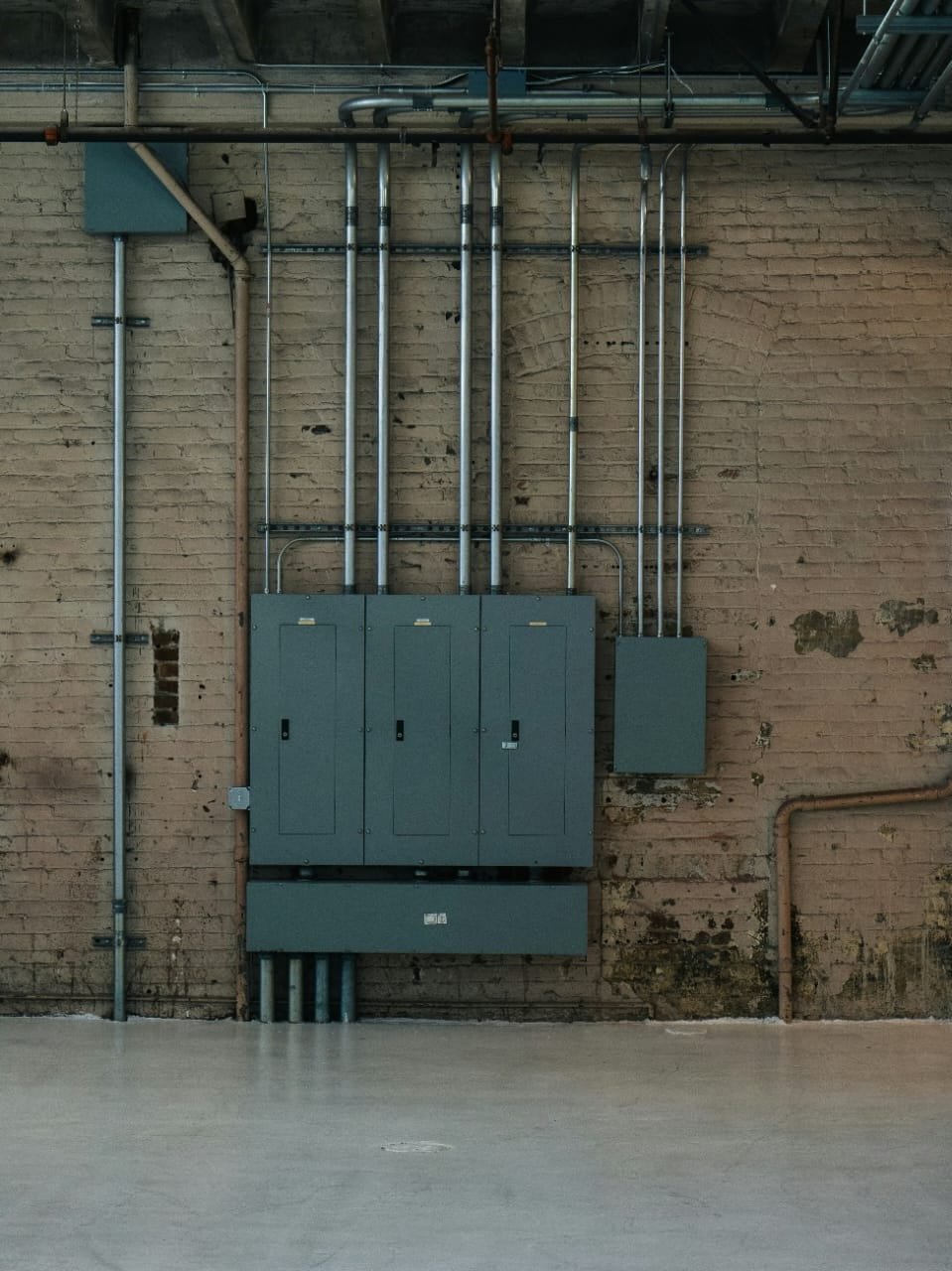
Electrical panels are central to the safe distribution and control of power in buildings and industrial systems. Independent inspection helps assess visible technical condition, identify hazards, and support safer and more reliable electrical operation.
Why It Matters
Defects in panel assembly, protection, connections, component condition, or load distribution can lead to:
- Overheating and thermal stress.
- Nuisance tripping and operational instability.
- Equipment damage.
- Fire risks and electrical hazards.
What We Inspect
- Enclosure & Structure: General condition of the panel, enclosure, and mechanical integrity of panel doors and components.
- Workmanship & Assembly: Assembly quality, visible workmanship, and evidence of improper modification or unsafe additions.
- Safety & Protection: Protective devices and their arrangement, earthing and bonding arrangements.
- Wiring & Management: Internal organization, cable management, and connections (checking for visible signs of overheating or deterioration).
- Documentation & Safety Signs: Circuit identification, labeling, warnings, accessibility, and safe operating conditions.
- Technical Overview: Overall visible safety and technical condition.
Key Benefits
- Enhanced Safety: Reduced electrical safety risks and hazards.
- Power Stability: Better reliability of power distribution.
- Proactive Maintenance: Early detection of defects, poor workmanship, or deteriorating components.
- Operational Support: Support for safe operation, maintenance, and improved technical confidence in panel condition.
Applicable Standards
Depending on the agreed scope of inspection, services may align with IEC 61439 (Low-voltage switchgear and controlgear assemblies).