.png)
Overview
Fire protection systems are relied upon when critical events occur, and their readiness must never be assumed. Independent inspection helps verify visible system conditions, identify hidden technical issues, and strengthen confidence in emergency preparedness.
Why It Matters
When fire emergencies strike, every second counts. Hidden faults, impaired components, poor installation, or maintenance gaps can reduce system effectiveness when protection is needed most.
An independent, third-party inspection helps to:
- Ensure systems are not secretly compromised or isolated.
- Uncover installation flaws or neglect before an actual incident occurs.
- Provide total peace of mind that your active fire defenses are ready to respond.
What We Inspect
Our comprehensive inspection covers the vital components of both detection and suppression systems:
- General System Condition: Overall assessment of all fire protection system components and layouts.
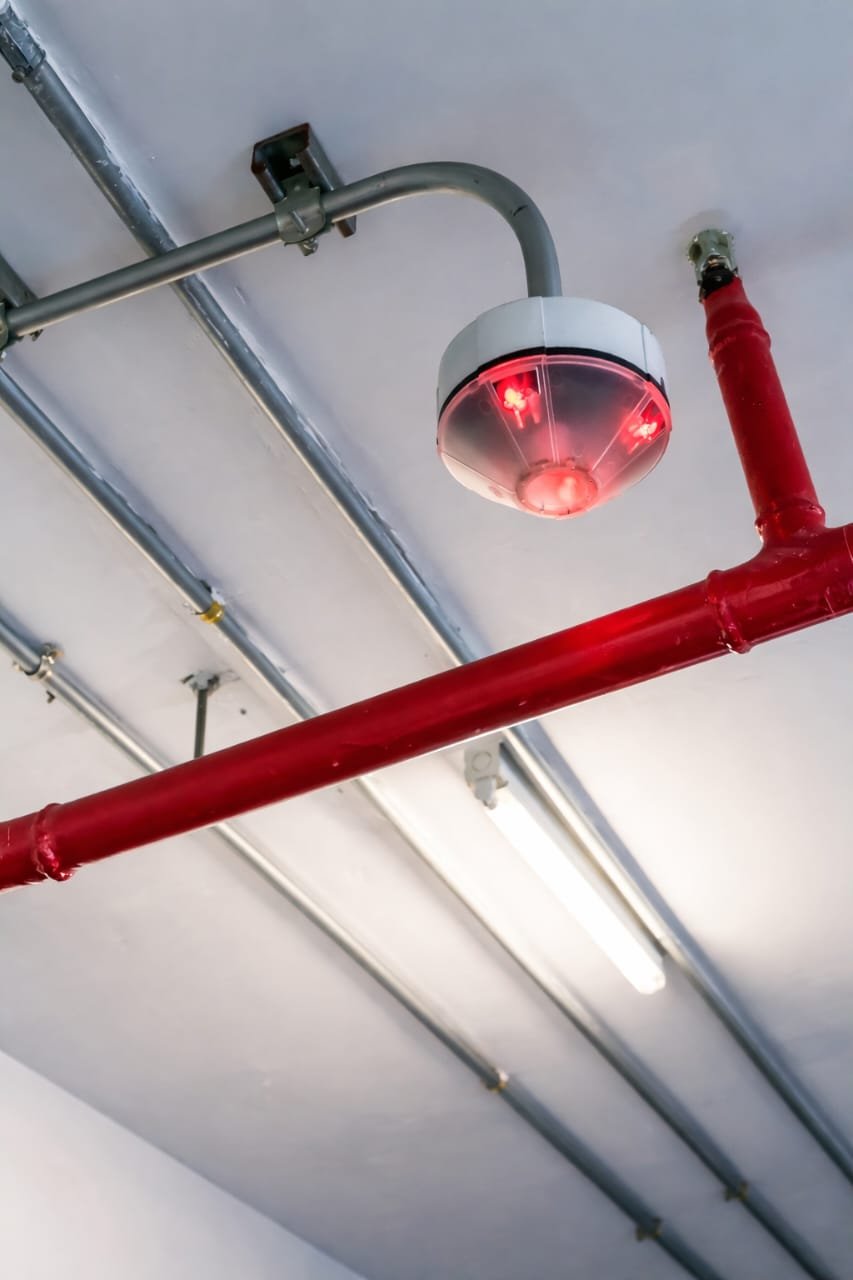
- Fire Alarm & Detection Devices: Checking the visible status of smoke/heat detectors, manual call points, and notification appliances.
- Control Panels & Interfaces: Evaluation of main fire alarm control panels (FACP), repeater panels, and visible interface equipment.
- Fire Pumps & Valves: Visual inspection of dedicated fire pumps, controllers, fuel/water lines, and control valves (where applicable).
- Sprinkler Systems: Checking visible sprinkler heads, pipework, hangers, and zone control valves (where applicable).
- Hose Reels & Wet/Dry Risers: Inspection of fire hose reel assemblies, cabinets, and associated landing valves (where applicable).
- Accessibility & Readiness: Verifying clear access, proper identification, signage, and overall visible readiness of all equipment.
- Impairment Tracking: Spotting signs of physical damage, corrosion, part isolation, or evident maintenance shortcomings.
- System Integrity & Workmanship: Reviewing overall installation quality and visible system integration.
Key Benefits
Implementing an independent fire system inspection regime provides invaluable security and strategic benefits:
- Stronger Life-Safety Preparedness: Maximizes protection for building occupants, operators, and visitors.
- Total Emergency Confidence: Eliminates the guesswork regarding whether your fire systems will function during a crisis.
- Early Deficiencies Detection: Identifies system impairments, leaks, or component degradation before they lead to catastrophic failure.
- Asset Protection & Risk Reduction: Lowers operational and financial risks by safeguarding physical investments and infrastructure.
- Improved System Awareness: Equips facility managers with transparent data regarding the true operational health of their fire safety assets.
Applicable Standards
Depending on the agreed scope of inspection, our specialized engineering services align with leading international frameworks, including:
- EN 54 (Fire detection and fire alarm systems)
- EN 12845 (Fixed firefighting systems – Automatic sprinkler systems – Design, installation, and maintenance)